
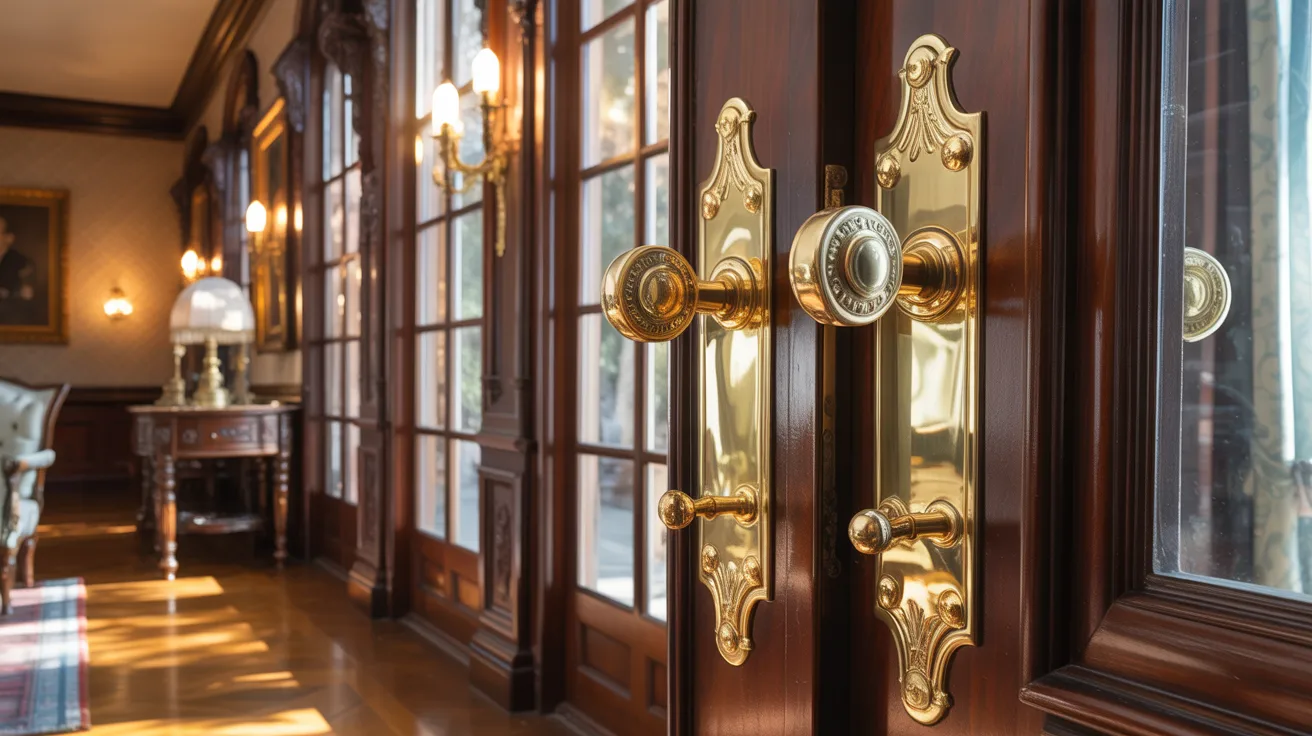
A brass plating company in Los Angeles plays a critical role in preserving the authenticity of historic and classic homes while allowing them to function in modern life.
I realized this during the renovation of a 1930s Spanish Revival home where nearly every original brass fixture showed decades of wear from coastal air and daily use.
The house still had strong bones, but the hardware told a story of neglect rather than craftsmanship.
Replacing those elements would have erased history instead of restoring it.
That moment made it clear that preservation is not about replacement but about respect.
Why Brass Has Always Been a Staple in Historic Homes
Brass is not just decorative metal.
In older homes, brass fixtures were chosen because they aged gracefully and complemented wood, stone, and plaster finishes.
Door knobs, escutcheons, light switch plates, stair rails, and window latches all carried a warm tone that modern alloys struggle to replicate.
When these pieces are stripped out and replaced, something subtle but important is lost.
I once walked through a restored Craftsman where brand-new hardware felt oddly sterile against original oak doors.
The house looked polished, but it did not feel honest.
Brass restoration keeps the soul of a home intact while giving it new life, which is why working with a trusted brass plating company in Los Angeles can make such a meaningful difference in historic home preservation.
The Impact of Southern California’s Climate on Brass
Southern California presents unique challenges for metal fixtures.
Coastal salt air accelerates corrosion, while dry heat dulls finishes faster than expected.
I saw this clearly in a mid-century home near the coast where exterior lanterns had turned almost black over time.
Simple cleaning barely made a difference.
Professional brass restoration rebuilt the surface instead of hiding the damage.
That process restored the original warmth without changing the character of the fixtures.
What the Brass Restoration Process Looks Like
Restoration starts with careful evaluation.
Each piece is inspected for cracks, thinning metal, or prior improper repairs.
Old coatings and corrosion are removed gently to preserve detail.
This step is where experience truly matters.
I once watched a technician save a fragile Art Deco backplate that would have been destroyed by aggressive sanding.
After preparation, a fresh brass layer is applied evenly to recreate the original finish.
The piece is sealed to slow tarnishing while maintaining a natural patina.
The result looks original, not newly manufactured.
That distinction defines quality restoration.
Real Results You Can Feel in a Finished Home
Once restored pieces are reinstalled, the change is immediate.
Doors feel heavier and smoother.
Light fixtures cast a warmer glow.
In one restoration project, guests assumed the hardware had never been touched.
That reaction confirmed the work had succeeded.
Good restoration should disappear into the design rather than draw attention.
Why Replacement Often Falls Short
Modern reproductions may look similar from a distance, but the difference becomes obvious up close.
Original brass components were cast thicker and finished by hand.
Replacements often feel lighter and lack depth.
In one renovation, we restored original stair rail brackets instead of installing replicas.
The cost difference was minimal, but the authenticity was unmatched.
Preserving original materials maintained continuity throughout the home.
Preservation Adds Long-Term Value
Authentic restoration protects property value.
Buyers interested in historic homes recognize original details immediately.
Restored brass signals care, craftsmanship, and attention to period accuracy.
These elements often influence purchasing decisions more than modern upgrades.
A home that retains its original character stands apart in competitive markets.
Sustainability Through Restoration
Brass restoration is also an environmentally responsible choice.
Reusing original materials reduces waste and energy consumption.
Instead of discarding metal that still has decades of life left, restoration gives it purpose again.
Sustainability and preservation align naturally in historic home projects.
Blending Traditional Craft With Modern Living
Historic homes must still meet modern needs.
Restored brass fixtures can be adapted for updated electrical systems or security hardware.
I have seen antique switch plates modified internally while maintaining their original appearance.
This balance allows homeowners to enjoy convenience without sacrificing character.
Choosing the Right Restoration Partner
Not every metal shop understands architectural history.
Historic homes require accuracy, restraint, and respect for original design.
Incorrect finishes can permanently alter a piece.
I once saw a Victorian door set ruined by a mirror-bright polish that never belonged to that era.
Experienced specialists understand period-correct tones and textures.
That knowledge ensures restoration enhances rather than erases history.
A Craft That Shapes How a Home Feels
Most people never consciously notice restored brass.
They simply sense that a home feels warm, grounded, and authentic.
That quiet success defines true craftsmanship.
Preserving brass is not about shine or trend.
It is about honoring the past while making a home livable today.
A skilled brass plating company in Los Angeles helps ensure historic homes remain genuine, functional, and timeless for generations to come.