

There is generally a time in a bathroom renovation or remodelling when everything appears to be accomplished. Now that the fixtures and tiles are installed, the space finally looks like the design concept that was so appealing on the internet. People usually stop thinking about things or worrying at that point.
Strangely, a lot of tile-related issues start well before the first shower. They are concealed by floors, walls, or layers that no one will ever see again. A drain that is positioned a few inches off to one side. A waste pipe that was never checked. Waterproofing rushed at the end of a long day because the room already looked complete.
Most homeowners notice the symptoms later. Water sitting where it shouldn’t. Grout that never seems to stay clean. A bathroom that always feels slightly damp no matter how often it’s ventilated. The tile usually gets blamed. More often than not, the tile isn’t the problem.
The Floor Was Made Level Instead of Functional
One of the most common mistakes appears in walk-in showers. Many homeowners assume a perfectly level floor is a sign of good workmanship. In living rooms, hallways and kitchens, that assumption makes sense. Inside a shower, it’s a different story.
Water needs somewhere to go. When the floor isn’t formed with enough fall toward the drain, water begins collecting in random places. Sometimes it’s a thin strip near the shower screen. Sometimes it’s the corner nobody notices during the renovation. Sometimes it’s directly beside the drain itself.
At first, it feels like a minor annoyance. A quick wipe after showering solves it. Months later, the same damp area starts collecting soap residue. The grout darkens. Cleaning takes longer. The bathroom never quite feels dry. Nobody plans a renovation expecting to push water toward the drain with their foot every morning, yet it happens surprisingly often.
The Drain Was Treated Like an Afterthought
Tile samples usually receive more attention than floor drains. That’s understandable. One is visible every day. The other disappears into the floor. Yet drain placement influences almost everything around it.
When a drain ends up too close to a wall, installers often have to make difficult compromises. Tile cuts become awkward. Slopes become uneven. Water doesn’t always travel efficiently. The frustrating part is that homeowners rarely notice the issue until after the project is complete.
On paper, moving a drain by a few inches doesn’t sound important. During installation, those few inches can determine whether the floor works properly or constantly develops puddles.
Not Questioning Existing Plumbing
Renovations often involve a dangerous assumption: if the pipes are already there, they must be correct. Sometimes they are. Sometimes they were installed years ago by someone working quickly. Sometimes measurements were taken before the wall finishes changed. Sometimes a previous renovation introduced small alignment issues that nobody noticed. Then the new tiles go up. Suddenly a shower control looks slightly off-centre. Pipe covers don’t sit neatly against the wall. A vanity doesn’t line up quite the way it should.
The issue may only be a few millimetres, but tiled surfaces have a habit of making small mistakes look much larger. Good installers check dimensions repeatedly because they know that guessing becomes expensive once porcelain is involved.
Waterproofing Gets Rushed More Often Than People Realise
The least thrilling aspect of renovating a bathroom is undoubtedly waterproofing. No one selects a home based on the bathroom’s waterproof membrane’s quality. No one uploads pictures of it on the internet. However, it may be the most crucial phase of the project as a whole.
Surprisingly many failures result from improperly sealed corners, improperly handled penetrations, or disregarded solution curing timeframes. The delay is the most annoying aspect of waterproofing issues. A leaking pipe usually announces itself immediately. Waterproofing failures can stay hidden for months. As everything appears normal until paint begins bubbling in the next room or moisture starts appearing where it shouldn’t. By then, locating the source isn’t always straightforward.
Cutting Tile Openings Without Enough Precision
Certain mistakes instantly draw attention. Oversized holes around plumbing fixtures are one of them. Most people won’t inspect grout spacing or check floor gradients. They will notice a rough opening around a shower outlet every time they step into the room.
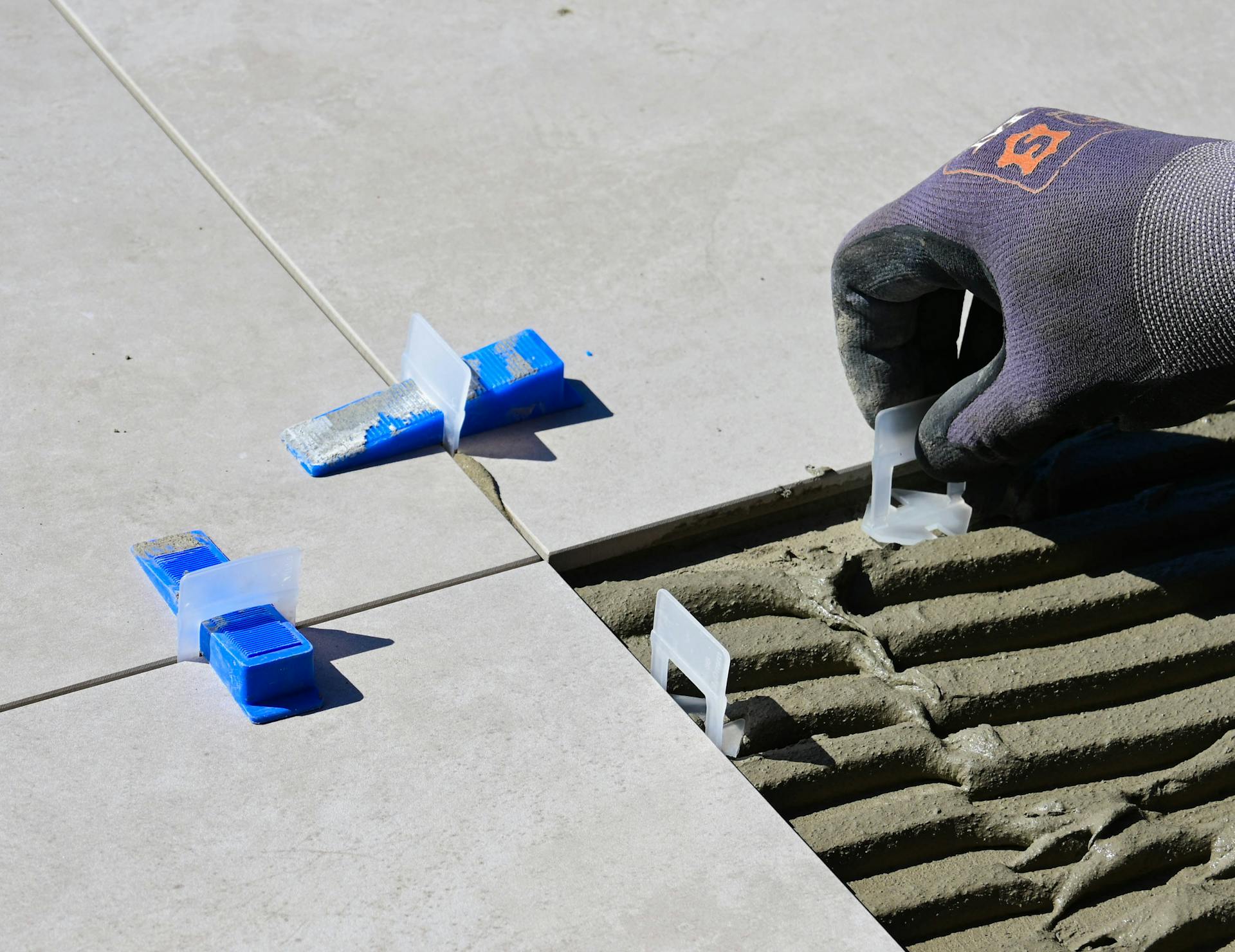
Porcelain and stone leave very little margin for error. Once a cut is too large, there aren’t many ways to disguise it convincingly. For that reason, many installers use specialist tools such as a diamond hole saw when creating openings around pipes and fittings. The objective isn’t simply making the opening large enough. It’s creating one that looks intentional once the fixtures are installed. Small details like this tend to separate an average-looking renovation from one that feels professionally executed.
Tiling Over Problems Instead of Solving Them
Every renovation uncovers something unexpected. A slow drain. A questionable waste connection. A minor leak. A venting issue that occasionally causes odours. Sometimes the temptation is to leave it alone because addressing it adds cost, time and inconvenience.
The logic feels reasonable at the time. Everything still works. Unfortunately, tile has a way of turning temporary compromises into expensive future repairs. Once waterproofing, adhesive and finished tiles are installed, accessing the same area becomes far more disruptive than it was during the demolition stage. Problems rarely become cheaper after they’re covered up.
Final Thoughts
The most expensive tile problems usually aren’t visible on installation day. They’re hidden beneath surfaces that look flawless.
A drain positioned slightly wrong. Waterproofing that wasn’t given enough attention. Measurements accepted without verification. Plumbing issues left for another day. None of these choices, taken alone, appear important. Together, they frequently decide whether a bathroom continues to function effectively without any issues years later or begins to require repairs far sooner than anticipated.