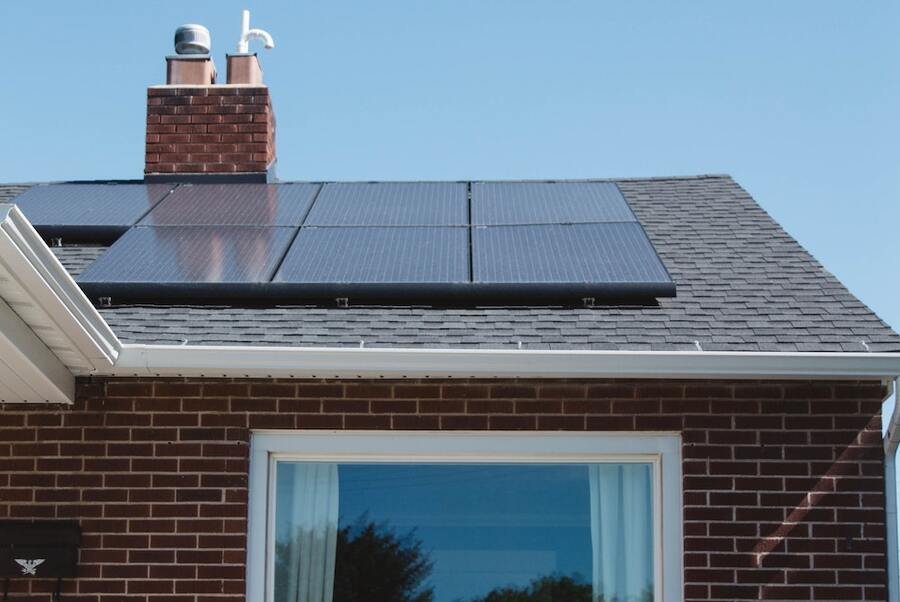


If you ask a builder what homeowners wanted fifteen years ago, the response will undoubtedly sound familiar: larger kitchens, more storage, an additional bathroom if budgets permitted, and perhaps several skylights to let in more natural light. Those things still matter. Nobody is giving up a good kitchen for the sake of a battery system. What’s changed is that energy has joined the conversation much earlier than before.
People used to think about electricity after moving in. After the furniture was unpacked and the house had been put together, the reality showed up in the shape of monthly bills. Solar panels or insulation improvements may be taken into consideration later if such bills were already excruciating.
Nowadays, a lot of homeowners are attempting to completely prevent such circumstances. A renovation that starts as a loft conversion can quickly turn into a discussion about roof insulation. Plans for a detached garage often include questions about future vehicle charging. Sometimes, energy efficiency is taken into consideration while evaluating window location rather than just aesthetics. Such kind of discussions now reveals a lot about how priorities have changed.
Everyday Design Decisions Are Changing Due to Solar Panels
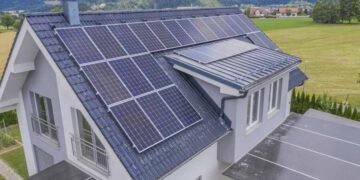
In many areas, solar panels are now so commonplace that they no longer get any notice. Everything in their immediate vicinity is drawing attention. A homeowner considering an addition could find that a seemingly simple design could expose a portion of the roof to shade for many hours every day. Twenty years later, a tree that appeared perfect and beautiful can suddenly become an issue because it blocks afternoon sunlight. Roof space that was once ignored now has a purpose beyond keeping the rain out. That’s one reason solar is being discussed earlier in the design process.
The technology itself has come a long way. Modern panels generate more electricity from less space than older systems, and they perform far better in mixed weather conditions than many people realise. According to the U.S. Department of Energy, improvements in efficiency and manufacturing continue to make residential solar more accessible across a wide range of property types.
For many households, the decision isn’t really about following a trend. It’s about reducing exposure to energy costs that seem to increase every year.
The Battery Conversation Usually Comes Next
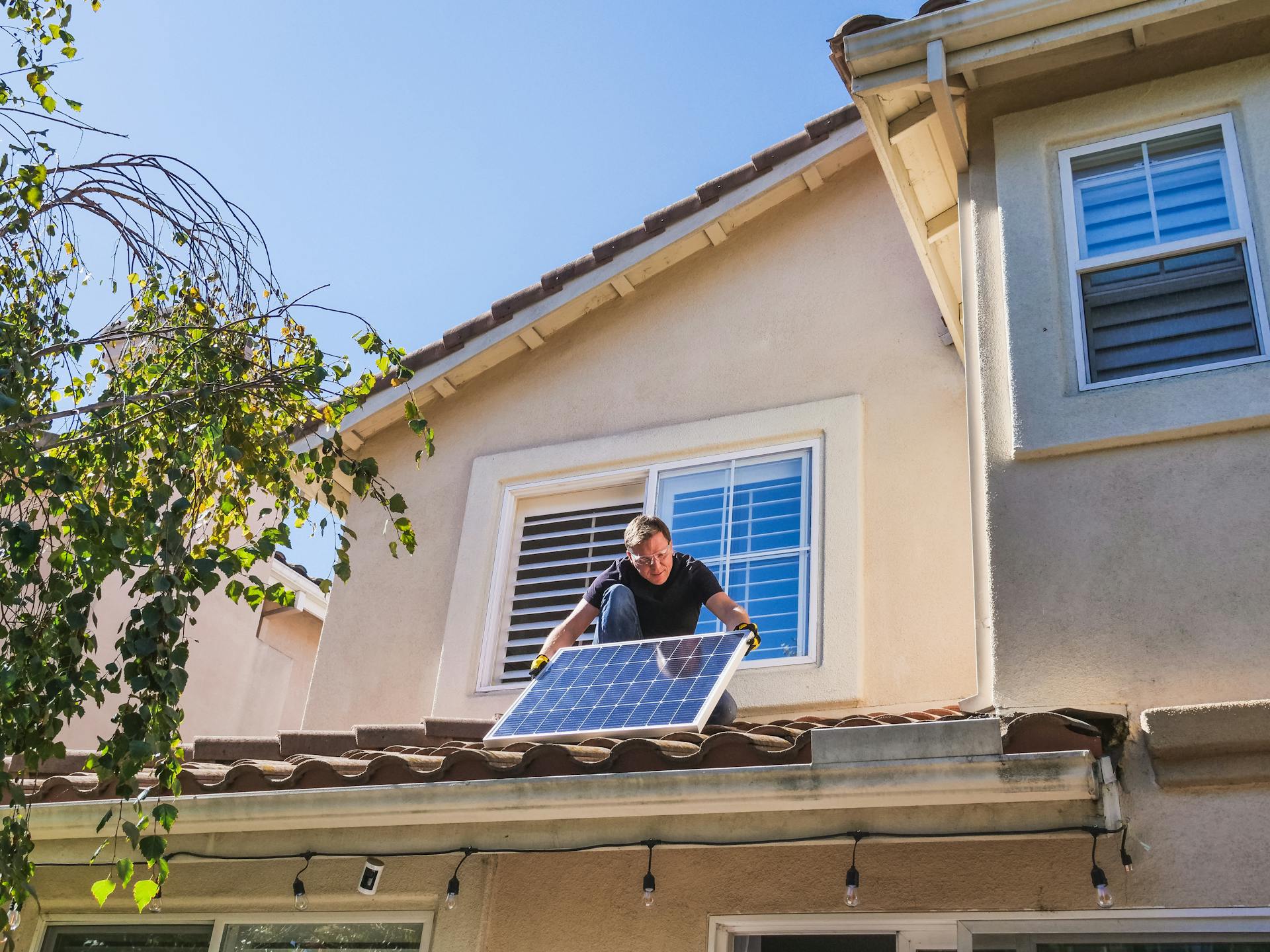
The moment many homeowners understand solar properly, they usually notice the same issue. The house produces electricity when nobody is around to use it. A sunny weekday afternoon can generate plenty of power. The problem is that the house is often empty. Fast forward a few hours and everything changes. People come home. The oven goes on. The lights switch on. Phones get plugged in. The television starts running. Energy demand increases just as solar production starts slowing down. Battery systems help bridge that gap.
The concept is surprisingly simple:
- Generate electricity during the day
- Store the extra power
- Use it later when needed
That’s one reason batteries have attracted so much attention recently. They’ve also started influencing practical decisions during renovations. Utility rooms are getting slightly more space. Electrical systems are being designed with future expansion in mind. Garages are carrying more infrastructure than they did a few years ago. Not because every homeowner is installing batteries in the future. Because many don’t want to rip open walls later if they decide to.
The same forward-thinking approach is influencing vehicle charging as well. Homeowners who generate electricity through solar panels are increasingly looking for ways to use more of that energy at home rather than sending it back to the grid. Solutions such as Zappi car chargers allow surplus solar power to be directed towards electric vehicles, helping connect home energy generation with everyday transportation in a practical and efficient way.
Renewable Energy Will Not End with Solar Power
Other renewable energy sources are also having an impact on home development, even if solar energy gets the most media attention. These days, heat pumps are frequently brought up while discussing improvements. Homeowners thinking about replacing their outdated and old heating systems are increasingly choosing long-term energy-efficient options. The conversion is beneficial because of lower running costs, even if installation isn’t always easy. Wind power is still a viable alternative in rural regions when placed properly. Although hydropower is less widespread, small-scale systems with remarkable dependability are nevertheless used by landowners with access to sufficient water sources.
It doesn’t matter which technology dominates or succeeds. It’s that homeowners are becoming more comfortable mixing different solutions together. Solar panels, efficient insulation, battery storage, heat pumps, and smart controls are often viewed as parts of the same puzzle rather than separate upgrades.